

Active Intelligence® Smart Technology

GPS Shoulder Navigation

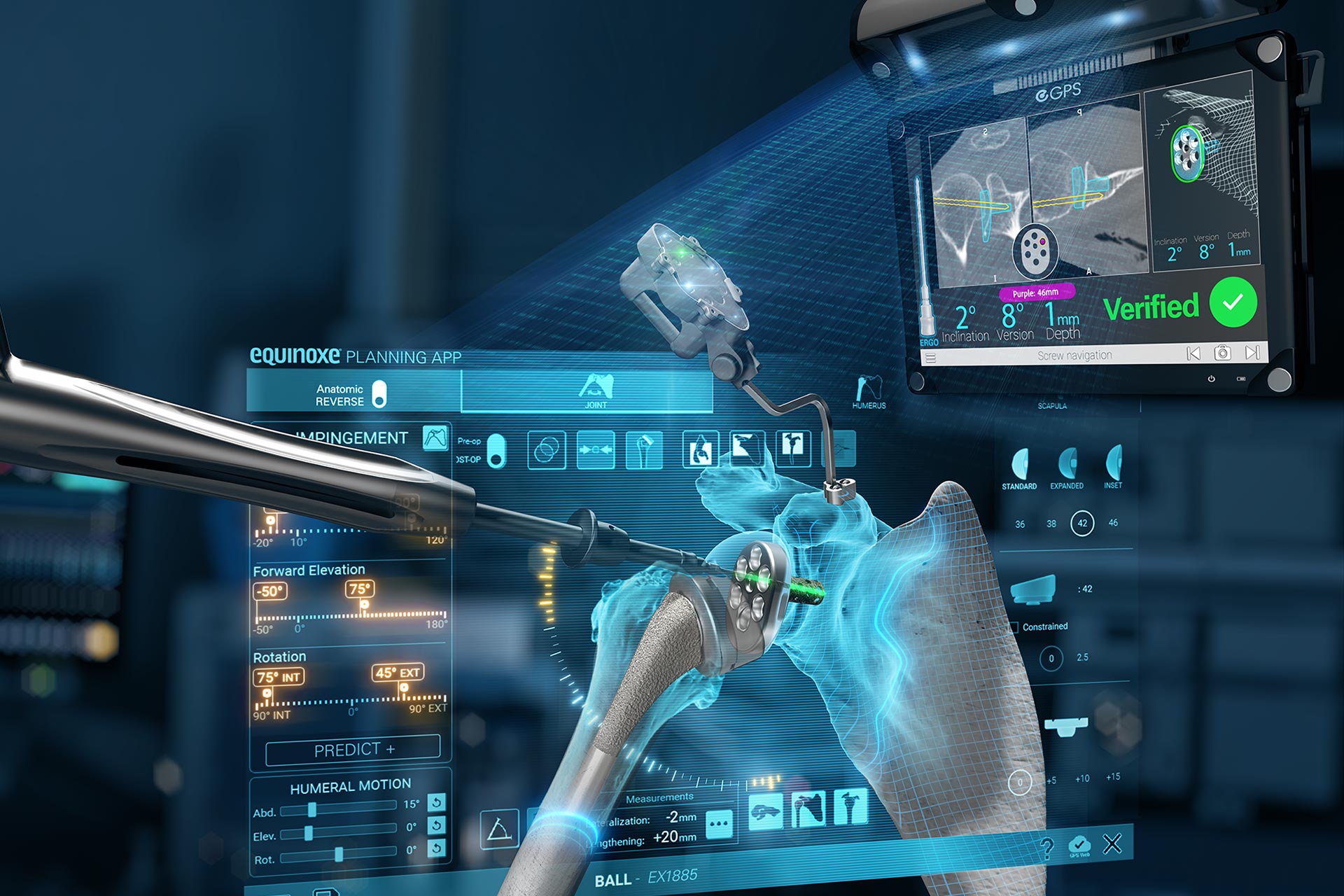
Powered by Active Intelligence®, GPS offers orthopedic surgeons real-time intraoperative instrument guidance and verified implant placement in a compact and mobile system within the sterile field. This advanced technology ensures implant placement accuracy,1-2 potentially reduces complications3 and has been shown to improve patient outcomes.4

GPS Shoulder Application Features & Benefits

Flexible & Compact

Streamline workflow and reduce OR setup time with the seamless transfer of surgical plans from pre-op software to the compact GPS workstation. Ensuring the latest plan is instantly available, this integration requires no physical media or manual uploads, minimizing sterile field cable clutter and smoother coordination

Touchscreen Tablet

The touchscreen tablet integrates seamlessly into the sterile field for easy access.

Real Time Guidance

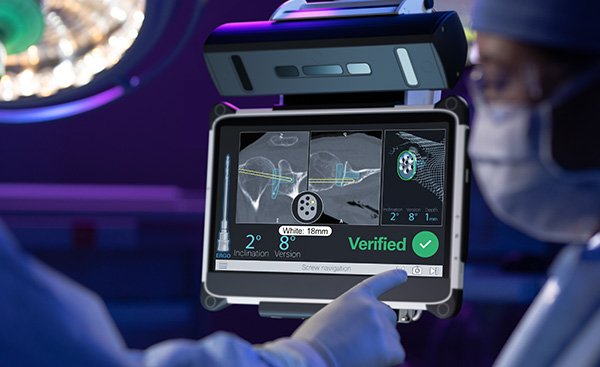
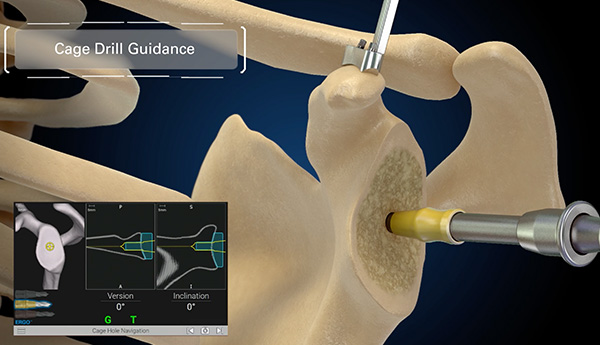
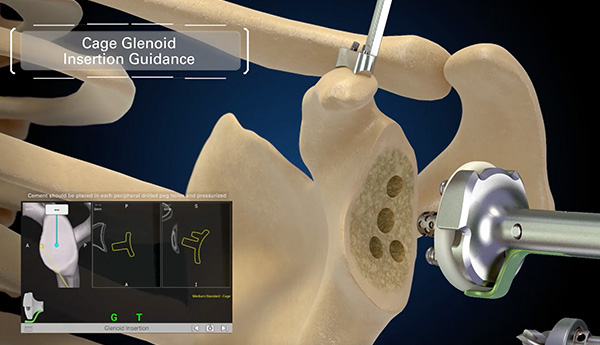
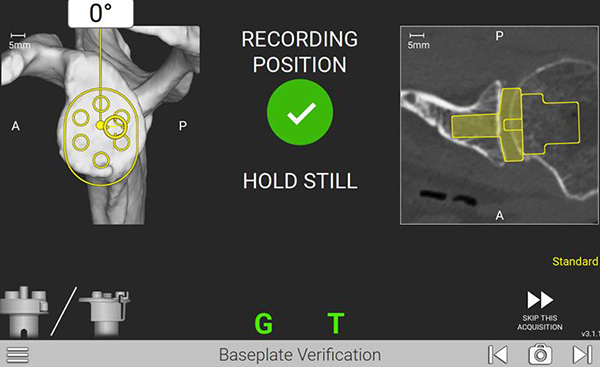
Real time glenoid vault visibility including inclination, reaming, drilling depth, screw placement, final implant placement. GPS Shoulder has shown to enhance accuracy, minimize complications, and support improved patient outcomes.

135-Degree Field of View

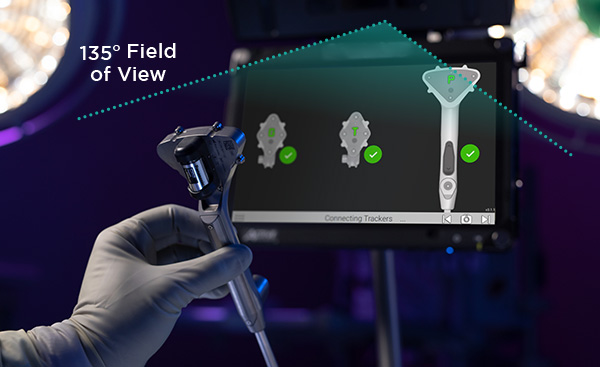
135-degree field of view delivers high-angular visibility within the surgical site and space5. This allows for a more seamless integration in any theatre set up.

Active Trackers

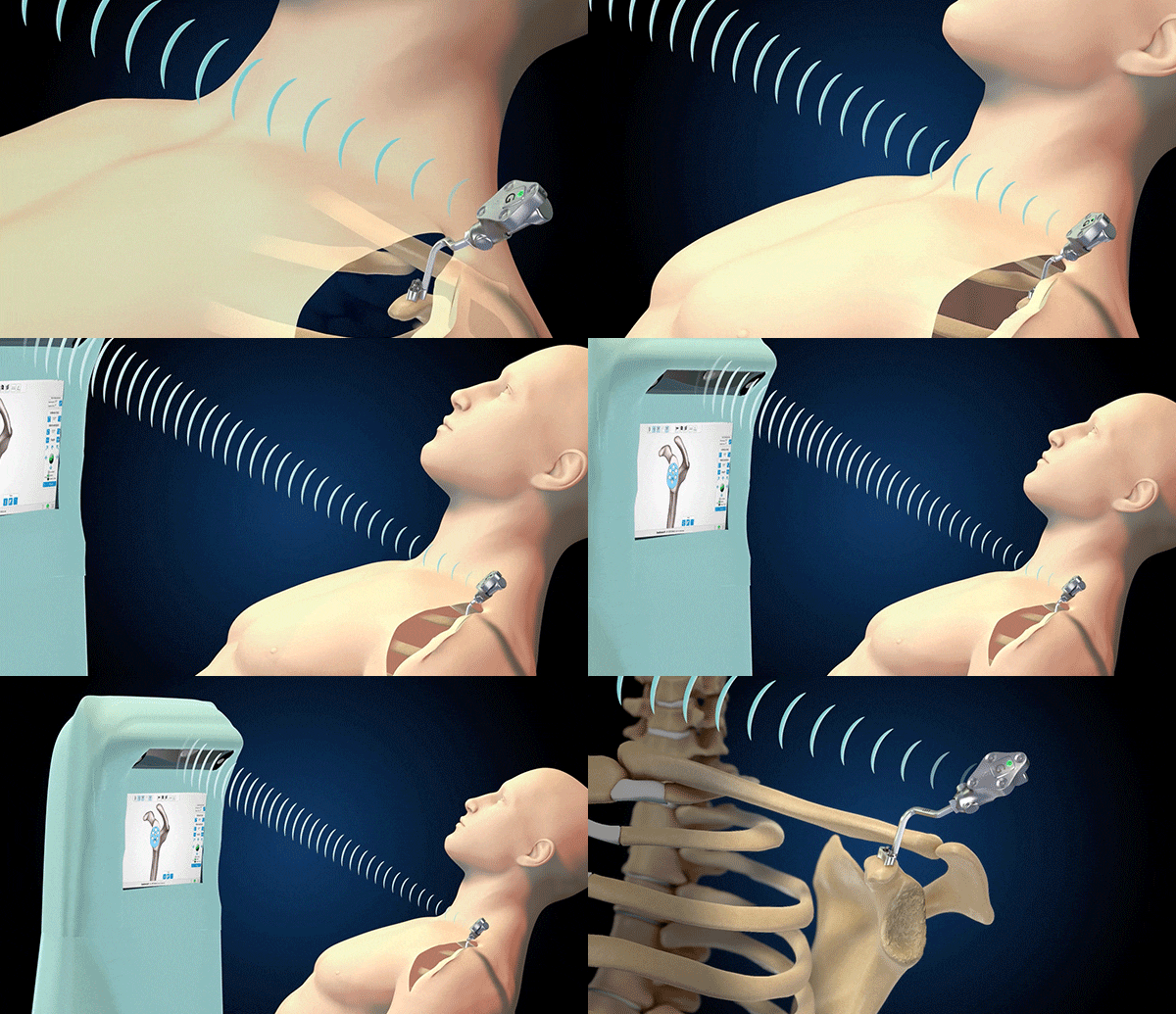
Modern active trackers enable precise in-situ incision placement while minimizing the impact of LED theatre lights and fluid or blood interference.

Using advanced infrared sensors and real-time data processing, these trackers continuously monitor surgical instruments and adapt to dynamic conditions in the theatre— allowing for millimeter level surgical accuracy.

Post-Op Reports

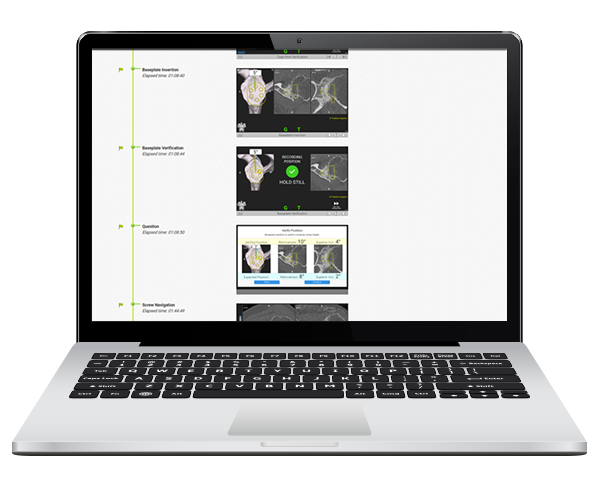
Personalized post-operative surgical reports are readily accessible via our surgeon portal, AI One. These reports include surgical summaries, customized for surgeon’s preferences, and tools for capturing clinical data.

No Capital Costs

No capital cost or maintenance fees make the system easily accessible for hospitals, eliminating upfront investment barriers.

This cost-effective model enables facilities to adopt and scale advanced surgical technology without straining budgets, simplifying implementation and accelerating adoption.

Reusable and recyclable active trackers lower cost-per-case compared to other robotic and navigation technologies, delivering long-term savings for hospitals and surgical centers.

Adoption

With over 100,000 GPS Shoulder cases performed, this widely adopted technology provides surgeons and theatre teams with proven reliability and clinical value5.

Compatible with both aTSA and rTSA procedures, GPS supports shared expertise, peer-to-peer learning, and standardized workflows—benefiting both new users and institutions aiming to elevate care consistency.

Implant Accuracy

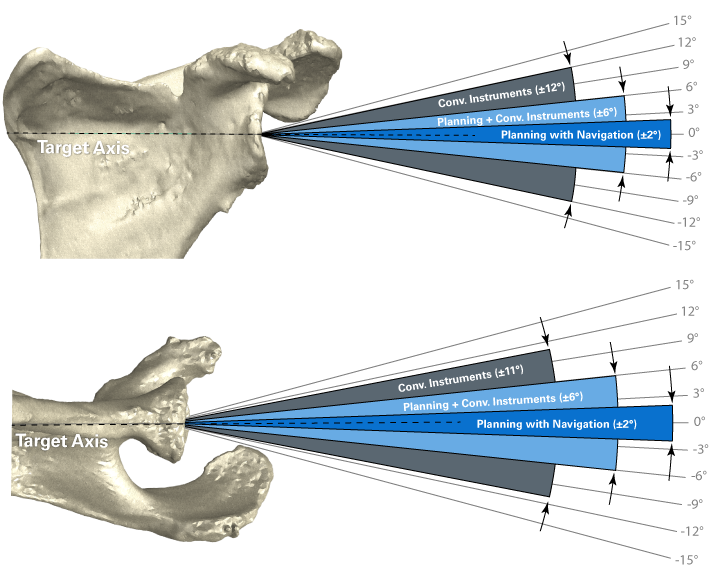
Implant positioning is verified within 2mm and 2° of the surgical plan, helping surgeons achieve their pre-operative personalized plans with the goal of improving long-term patient outcomes1-2.

Implant Fixation

Real-time screw placement guidance enables the use of longer screws, leading to stronger fixation compared to conventional methods6-7. This reduces the risk of loosening and enhances overall implant stability.

Clinical Data

Navigation-assisted aTSA and rTSA have shown:

  • improved postoperative function, including better internal rotation
  • reduced complications, including rotator cuff tears (aTSA) and pain (rTSA) compared to non-navigated procedures8-9.

This leads to greater patient mobility and comfort, while helping surgeons deliver more consistent, predictable results.

Time Neutrality

GPS is time-neutral after the initial learning curve, allowing surgeons to maintain efficient case flow without compromising precision10-11.

Fast Acquisitions

Our active trackers receive and transmit hundreds of data points per second. Powered by our active technology, acquisitions can be completed in under two minutes.

GPS Shoulder Application Resources

Filters
Reset
Filters
Reset
No results found.
  1. Greene A. et al. Navigated vs. non-navigated results of a CT based computer assisted shoulder arthroplasty system in 30 cadavers. ISTA 2018.
  2. Nashikkar P. et al. Role of intraoperative navigation in the fixation of the glenoid component in reverse total shoulder arthroplasty: a clinical case-control study. JSES.
  3. Youderian A et al. Two-year clinical outcomes and complication rates in anatomic and reverse shoulder arthroplasty implanted with GPS intraoperative navigation. JSES.
  4. Holzgrefe R et al. Early clinical outcomes following navigation-assisted baseplate fixation in reverse total shoulder arthroplasty: a matched cohort study. JSES.
  5. Data available upon request.

GPS, Shoulder Planning App and Predict+ are developed by Blue Ortho SAS, an Advita Ortho subsidiary, and distributed by Advita Ortho, LLC.

If you’re already using Active Intelligence and have an Advita account, you can login here.

New users take the first step – get started now by creating your account.